

Dog Scooting: The Anal Gland Story Nobody Wants and Every Owner Needs

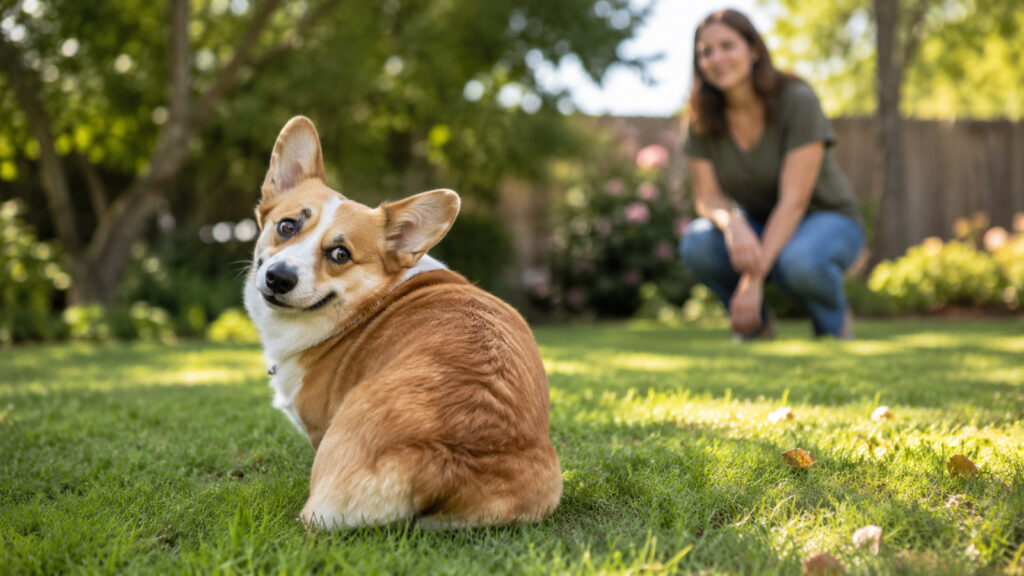
Few dog behaviors are less dignified than the scoot (the drag across the carpet, ideally during a dinner party) and few are more reliably meaningful: scooting is a dog telling you, in the only language available, that something back there itches, burns, or feels full. More often than not, the something is a pair of small organs most owners have never heard of until the first vet visit about them, though parasites, allergies, and skin trouble audition for the role too. Here is the anal gland story, told plainly, plus the honest list of what else scooting can mean.
Quick answer
Scooting usually means anal gland trouble: two scent sacs just inside the anus that normally empty with each stool, and that itch and swell when they do not. Signs beyond scooting: licking the area, a fishy odor, tail-chasing, and sudden sitting-down mid-walk. A single scoot after a soft-stool day, with nothing else wrong, can be watched; repeated scooting earns an examination, with an expression if the sacs are full (quick and cheap). Swelling, a visible sore, blood, or crying means infection or an abscess may already be underway: same-day visit.
For many repeat offenders whose soft stools are the driver, fiber is the long-term lever (firmer stool empties glands naturally). Once the vet has confirmed the cause. Also on the differential: parasites, allergies, and general itch, which is why the first check happens at a clinic, not on the internet.
The organs nobody mentions at the shelter
Every dog carries two pea-to-grape-sized scent sacs at roughly four and eight o’clock around the anus, the source of the famous dog-greeting protocol and the reason dogs find each other’s business cards so informative. In the standard design, firm stools press them mostly empty on the way past: self-maintaining plumbing, most of the time.
The trouble starts when stools run soft (no pressure, no emptying), when the ducts are narrow by anatomy (small breeds are the classic strugglers), or when allergies inflame the whole neighborhood. Fluid backs up, thickens, and the sac becomes an itchy, pressurized irritation. The scoot is the dog’s attempt at relief.
Left full long enough, an impacted gland can infect and abscess. A genuinely painful swelling that can rupture through the skin, converting an undignified problem into an urgent one. The escalation ladder is: full and itchy, then impacted, then infected, then abscessed, and every rung is easier to fix than the next.
What to do, by frequency
- Once, after a soft-stool day: a look and a watch, check for swelling, blood, pain, or rice-grain flecks, then let things firm up (the bland protocol if needed). A scoot or two while stools reform is the system complaining, not failing; scooting that continues is the next bullet.
- Frequent or recurring: vet visit for an exam first, with an expression if the sacs are full, a trained thirty-second procedure (cheap, routine, instantly relieving when it is the answer). Groomers offer external expressions; vets do the more complete internal version and can feel for trouble while there. This visit also rules the differential below in or out.
- The repeat offender: the long game is stool quality. Added fiber (plain canned pumpkin earns its page’s keep here, or a vet-recommended fiber supplement), weight management (overweight dogs scoot more; the muscle tone and anatomy work against them), and treating any underlying allergy. Some chronic cases do best on a scheduled expression calendar; the rare severe ones have surgical options worth a specialist conversation.
- Swelling, a red or open sore beside the anus, blood on the floor after scooting, or crying: that is the abscess chapter – same-day visit, likely antibiotics and treatment, very fixable and very much not a wait-and-see.
When scooting is not the glands
The differential matters because the fixes differ completely: tapeworms (rice-grain segments around the rear or in stool, treatable with the right dewormer, and the reason flea control is part of the answer), allergy itch (a dog who also licks paws, rubs his face, or scratches generally is itching everywhere including there – our itchy-skin guide owns that workup), skin infections or perianal irritation from soft-stool days, clipper burn after grooming, and – rarely but importantly in seniors. Growths in the region, which is one more reason the frequent scooter gets examined rather than YouTube-expressed at home.
On that note: home expression is a genuinely bad idea without training, done wrong it hurts, inflames, and can rupture an impacted sac inward. This is a thirty-second professional job; let it be one.
When to see your veterinarian
For any frequent or recurring scooting (the express-and-examine visit), promptly for swelling, redness, an open sore, blood, or pain near the anus (the abscess ladder), for rice-grain segments (tapeworm treatment plus flea control), and for the scooter who also itches everywhere else (paws, face, flanks) that is an allergy workup in disguise.
References and further reading
- VCA Animal Hospitals. Anal sac disease in dogs.
- Merck Veterinary Manual. Digestive disorders of dogs.
Frequently asked questions
Why does my dog keep scooting after glands were expressed?
Mild irritation can be normal for a day or so after an expression. Scooting that continues past that – or any swelling, discharge, or new pain – means the glands refilled fast (the fiber-and-weight conversation), something was missed (infection brewing), or the itch was never glandular: allergies and parasites audition for this role constantly. Back to the vet with the timeline.
How often should dog anal glands be expressed?
Ideally never on a schedule, a healthy dog with firm stools self-maintains, and routine unnecessary expressions can inflame. Dogs with recurring trouble earn a rhythm their vet sets (monthly-ish is common for strugglers) alongside the fiber fix that aims to retire the appointments.
What food helps dogs with anal gland problems?
Fiber is the lever: firmer, bulkier stools express glands naturally. Plain canned pumpkin, vet-recommended fiber supplements, or a higher-fiber diet: plus weight management and allergy control where they apply. Your vet can match the fiber dose to the dog.
Is there a home remedy for dog scooting?
The honest home levers are fiber (plain canned pumpkin or a vet-recommended supplement), weight management, and firmer stools: they address the common cause rather than the symptom. What does not belong at home: expressing the glands yourself. If scooting outlasts a soft-stool day or two, the thirty-second professional check beats every remedy list.
Can anal gland problems be serious?
Mostly they are miserable rather than dangerous, but impaction can abscess (painful, urgent, treatable), and in older dogs the region deserves examination because rare growths live there too. Frequent scooting is a symptom worth a look, never just a quirk.
Educational content, not a substitute for veterinary advice. If your dog seems unwell, contact your veterinarian.
This guide is educational and is not a substitute for veterinary diagnosis or care. If your dog is unwell, or you are unsure, talk to your veterinarian.