

Dog Digestion Problems: The Plain-English Guide to Vomit, Diarrhea, and When to Worry

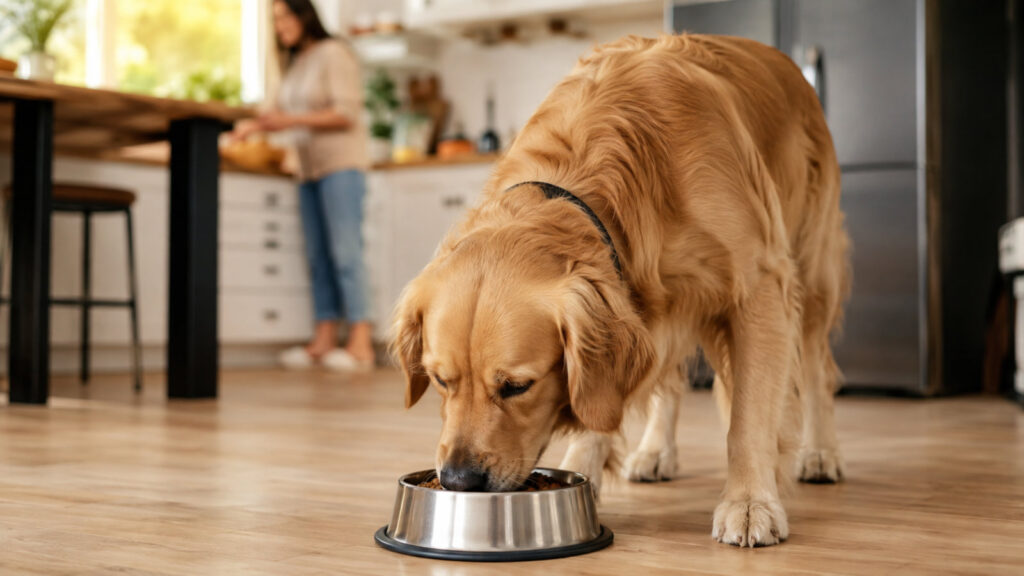
No one gets through dog ownership without kneeling on a floor at some point, paper towels in hand, wondering how worried to be. Digestive upsets are the most common reason owners search the internet at odd hours, and the answers genuinely sort into patterns: most stomach trouble is minor and passes with simple home care, a predictable short list is urgent, and the skill worth having is telling them apart quickly. That is this guide’s whole job.
Quick answer
Most vomiting and diarrhea in dogs is minor (a scavenged snack, a food change, a stressful week) and usually improves within 24 to 48 hours with bland food, water, and rest. That watching window belongs to adult dogs who keep eating, drinking, and acting normally; puppies, seniors, and tiny breeds get a call sooner.
The judgment call runs on two questions: how is the dog behaving (a bright, hungry dog buys watching time; a dull one does not), and are any red flags present (more than a faint streak of blood, any black tarry stool, a second vomit the same day, a bloating belly with unproductive retching, pale gums, known toxins or swallowed objects). This hub links the specific guide for each situation, and the emergency list every owner should know cold.
Start with your situation
| What you are looking at | The guide |
|---|---|
| Diarrhea, but the dog seems completely fine | The 48-hour rule and home protocol |
| Threw up, then trotted off happily | One-off, pattern, or problem |
| Food came back up undigested | Vomiting vs regurgitation, the effort test |
| Mucus-coated urgency right after boarding, moving, or fireworks | Stress colitis |
| Wondering if this is serious, right now | The NOW list |
The three rules that run every page here
- The dog outranks the symptom. A bright, hungry, playful dog with loose stool is a different case from a dull dog with the same stool. Behavior is your most honest gauge, recheck it every few hours, not once.
- Home care is simple on purpose: water always, bland small meals (plain cooked lean protein and white rice), plain canned pumpkin for fiber, calm, and no human medications without your vet’s explicit say-so: no anti-diarrheals (dangerous for some breeds), no laxatives, enemas, or mineral oil, and no making a dog vomit unless a vet directs it. All of them can blur the story a vet needs to read, and several can end it badly.
- The emergency list is short and non-negotiable: unproductive retching with a swelling belly (bloat; drive now), blood in quantity or mixed through stool, any black tarry stool, repeated vomiting (a second vomit the same day counts), collapse or pale gums, and known toxins or swallowed objects. Puppies, toy breeds, and seniors earn the call at the first sign, not after decline. When in doubt, the phone call is free.
Why stomachs are where stress shows up
One pattern surprises owners more than any other: the perfectly healthy dog whose digestion falls apart every time life does, boarding week, the move, the new baby. The gut and the nervous system are wired together, and for many dogs the colon is where a hard week gets announced. The stress colitis guide covers the episode; for the dog who does this repeatedly, once your vet has confirmed stress is the story and ruled out the impostors, the durable fix lives in our anxiety guide, because then the stool was never really the problem.
When to see your veterinarian
Same-day for symptoms lasting past 48 hours, vomiting and diarrhea together, repeated regurgitation, or a dog going quiet, and sooner for puppies, seniors, and tiny breeds. Immediately for anything on the NOW list, worth reading once before you ever need it, because the bloat presentation is the one where minutes genuinely matter.
References and further reading
Frequently asked questions
What settles a dog’s upset stomach?
Water, a brief rest for the stomach, then small bland meals, plain cooked chicken with white rice, and a spoonful of plain canned pumpkin. Most minor upsets in an otherwise-bright adult dog settle within a day or two on that protocol; the guides above cover each situation’s specifics.
When should I worry about my dog vomiting or having diarrhea?
Worry now for: a bloating belly with unproductive retching, blood in quantity or any black tarry stool, repeated vomiting, collapse or pale gums, or a known toxin or swallowed object. Worry today for: symptoms past 48 hours, a dog losing brightness, or any of it in a puppy, senior, or tiny breed. Otherwise: home care and honest re-checks every few hours.
Can I give my dog Imodium or Pepto?
Not without asking your vet; several human GI medicines are unsafe for dogs (and genuinely dangerous for some breeds), and doses differ. If the situation feels like it needs medication, it has outgrown home care by definition.
Educational content, not a substitute for veterinary advice. If your dog seems unwell, contact your veterinarian.
This guide is educational and is not a substitute for veterinary diagnosis or care. If your dog is unwell, or you are unsure, talk to your veterinarian.