

Worms in Dog Poop: The Identify-by-Sight Guide (Rice Grains, Spaghetti, and the Invisible Ones)

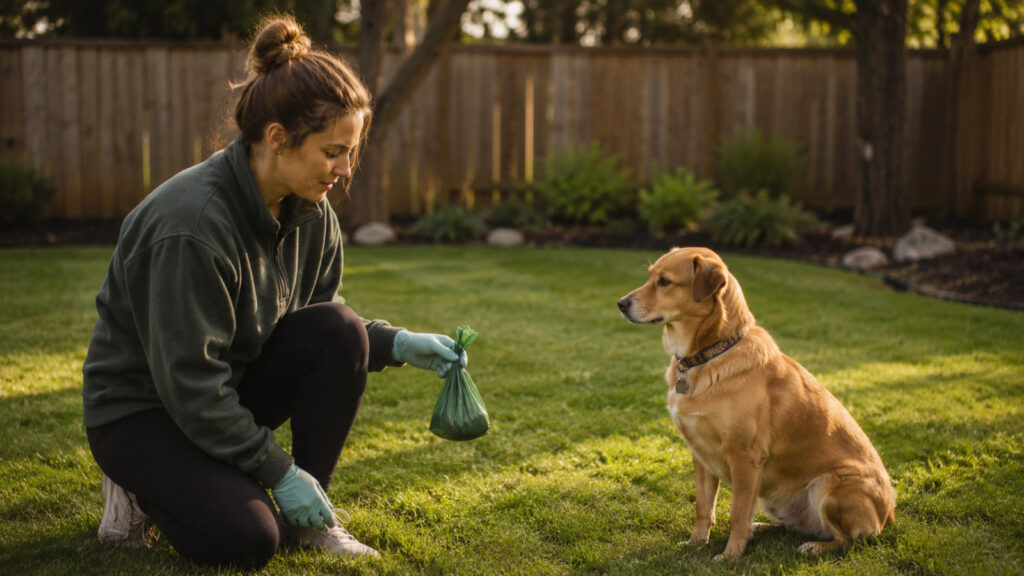
Few dog-ownership moments rival the horror-movie beat of spotting something MOVING in what your dog just left on the lawn, or worse, wiggling near the tail. Take the breath: intestinal worms are among the most common, most treatable problems in all of dog medicine, pups to seniors. What matters is the sorting, because what you can see identifies itself by shape, the two worst offenders are usually invisible, and the fix is a specific dewormer matched to a specific worm, not a drugstore guess.
Quick answer
The sight decoder: MOVING RICE GRAINS in fresh stool or dried sesame-seed flecks stuck near the tail = tapeworms (flea-borne; treat the fleas too, or reinfection is close to certain); SPAGHETTI STRANDS, pale and up to several inches, sometimes vomited = roundworms (the classic puppy worm, and the one with real kid-crossover risk); and the two you will likely NEVER see – hookworms (blood-feeders: anemia, dark tarry stool, dangerous in puppies) and whipworms (chronic mucus-and-blood diarrhea). Are diagnosed by the fecal test, which is exactly why vets ask for the annual sample.
The response: bag a fresh sample (or photograph what you saw), vet visit, matched dewormer – usually simple and inexpensive, with rounds and follow-up matched to the worm’s life cycle. Many monthly heartworm preventives also control some of these year-round. Coverage varies by product, so check your exact label with your vet; done right, that is the actual pro move.
The rogues’ gallery, by sight and by stealth
| The worm | What you see | The story |
|---|---|---|
| Tapeworm | Moving white rice grains in fresh stool; dried sesame flecks on bedding or near the tail | Carried by FLEAS (the dog swallows an infected flea grooming). The worm and the flea must be treated together or it returns; usually mild for the dog, mostly a hygiene-and-ick problem |
| Roundworm | Pale spaghetti strands, up to several inches, in stool or vomit | The puppy classic (passed from mother; also from contaminated soil) (pot-bellied pups, dull coats; the significant one for CHILDREN (soil and sandbox transmission) the hygiene section below) |
| Hookworm | Usually NOTHING. The worm is tiny | Blood-feeders in the gut wall: pale gums, weakness, dark tarry stool; genuinely dangerous in puppies (anemia kills small bodies fast); soil-and-skin transmission |
| Whipworm | Usually NOTHING | Chronic large-bowel trouble: intermittent mucus-and-blood diarrhea that recurs for months; eggs survive YEARS in soil, the yard-hygiene argument in worm form |
| Not worms at all | Rice-like but never moving: undigested food, seed hulls; strings of mucus | The photograph settles it. Mucus alone reads the stool decoder instead |
The fix, the fecal-test truth, and the household rules
The fix is matched, not generic: tapeworms need praziquantel-class treatment (plus the flea war, or it is a subscription); roundworms and hookworms take the fenbendazole-pyrantel families, usually in repeated rounds timed to the worm’s life cycle (later rounds catch larvae and immature worms the first dose could not touch, once they mature into treatable stages – the reason “finish the whole plan” matters); whipworms need specific coverage and patience.
All of it is vet-guided and inexpensive by vet-medicine standards. Some dewormers are sold over the counter, but the wrong product against the wrong worm is the most common way owners spend money to accomplish nothing; identification first is the whole game.
The fecal-test truth: because the two most dangerous worms are invisible, the routine stool sample – more often for puppies, once or twice yearly for adults depending on risk – is not clinic ritual: it is how hooks and whips get caught before anemia or chronic colitis do the announcing (and when eggs hide, antigen tests exist). Any recurrent soft stool, and every new-rescue intake, earns one. One more reason it earns its keep: one of the most common stool parasites is not a worm at all, giardia, a microscopic organism behind many stubborn soft-stool cases, and only testing finds it.
The quiet pro move: many monthly heartworm preventives also cover selected intestinal worms year-round, but coverage varies product to product, so check your exact label with your vet; the heartworm page holds the prevention case.
The household rules (the zoonotic honesty): roundworm and hookworm can infect PEOPLE (roundworm mostly by swallowing microscopic eggs from soil and hands, hookworm larvae by penetrating bare skin) and both are overwhelmingly preventable: scoop the yard promptly (eggs need days in soil to become infectious, fast pickup breaks the cycle), cover sandboxes, wash hands after yard-and-dog time, deworm puppies on schedule, and keep kids’ shoes on in dog-traffic areas. No panic required; just the boring hygiene that has always worked.
When to see your veterinarian
This week for visible worms in a comfortable adult dog (bring the photo or the bagged sample: identification drives treatment). Same-day for: any puppy with visible worms or a pot-belly, worms in vomit, pale gums, weakness, collapse, or any black tarry stool (the hookworm-anemia picture; hours matter in puppies). Promptly for recurrent mucus-and-blood diarrhea (the whipworm audition). And annually regardless: the fecal test finds the invisible ones while they are still a footnote.
References and further reading
Frequently asked questions
What are the little white worms that look like rice in my dog’s poop?
Tapeworm segments, and the load-bearing fact is their delivery service: your dog got them by swallowing an infected FLEA, so the cure is praziquantel-class treatment plus genuine flea control together. Treat only the worm and the rice returns.
Can I get worms from my dog?
Roundworm and hookworm can cross to people, via contaminated soil, swallowed eggs for roundworm, bare-skin contact for hookworm larvae: not casual contact. The boring defenses win: prompt yard pickup, covered sandboxes, washed hands, scheduled puppy deworming. Households with small children just run the same rules more strictly.
Can I just buy a dewormer at the pet store?
The gamble is the match: over-the-counter products vary in which worms they touch, and the wrong one against the wrong worm accomplishes nothing while the real problem compounds. Identification (photo, sample, fecal test) then the matched prescription costs little more and actually works.
My dog has worms but seems totally fine – do I still need to treat?
Yes; tapeworms are mostly mild but hooks and whips escalate quietly, roundworms shed eggs your household inherits, and every untreated month reseeds the yard for years. Treatment is cheap and short; established soil contamination is neither.
Educational content, not a substitute for veterinary advice. If your dog seems unwell, contact your veterinarian.
This guide is educational and is not a substitute for veterinary diagnosis or care. If your dog is unwell, or you are unsure, talk to your veterinarian.