

Kidney Disease in Older Dogs: The Quiet One

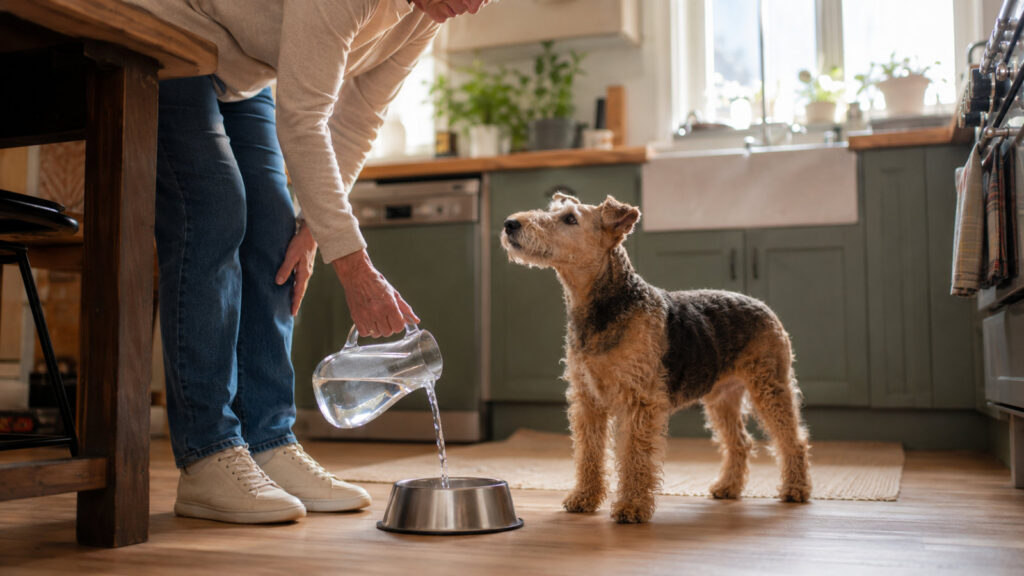
Of the five big senior-dog conditions, chronic kidney disease is the quiet one. It does not limp, cough, or cry out: it just asks for a little more water each month, produces a little more urine, and shaves weight so gradually that photos notice before people do. That silence is exactly why it rewards attentive owners so richly: caught early, CKD is often one of the more manageable chronic diseases in senior medicine, and many well-managed dogs have meaningful good time ahead.
Quick answer
Chronic kidney disease is common in senior dogs (especially smaller breeds) and shows up as increased thirst and urination, gradual weight loss, softer appetite, and lethargy. It is diagnosed with bloodwork and a urine test, staged so treatment fits, and managed mainly with diet, hydration, and monitoring. Protect aging kidneys by avoiding the known kidney harms: NSAIDs used without veterinary guidance, grapes and raisins, excess vitamin D3, and antifreeze above all.
The signs, in the order they usually appear
| Stage of noticing | What you see |
|---|---|
| Earliest (months before anyone worries) | The water bowl empties faster; more or bigger urinations; urine looks paler |
| Developing | Slow weight loss, pickier appetite, energy a notch lower, coat a bit duller |
| Established | Nausea signs (lip-licking, grass eating, turning from food), occasional vomiting, real lethargy |
| Advanced | Marked weight loss, weakness, bad-smelling breath with mouth sores: urgent territory |
The thirst-and-urine stage is the valuable one, and it is the stage most often missed, or filed under normal aging. It is not. If that pattern sounds familiar, the fuller picture (including the other conditions that mimic it) is in panting and drinking more.
How it is diagnosed, straight from the book
When Dr. Fossum’s own Labrador began drinking and urinating more, the workup she ran is the standard one, and she lists it in the book exactly as your vet will:
If it were my dog …
From Dr. Fossum’s book, on her own Labrador, Dan, verbatim:
- Blood work – I wanted to see how well his kidneys were functioning and make sure his electrolytes were normal.
- Urinalysis – I also wanted to make sure that he did not have a bladder infection that could further harm his kidneys.
- Radiographs – We took radiographs of his abdomen to see the size and shape of his kidneys and to make sure that he did not have obvious kidney stones.
- Blood pressure – We measured his blood pressure because dogs with kidney disease can have elevated blood pressure. Dan’s blood pressure was normal.
- Dan’s renal disease is mild, so we elected to ensure that he was receiving a diet with high-quality protein, and to repeat his blood work every 6 months to determine how quickly his renal disease is progressing so that we can intervene early.
– Senior Dogs: The Essential Guide, Chapter 5
Notice what management looked like for a mild case: not a shelf of medications, but the right diet and a monitoring rhythm. That is typical. CKD is staged, and treatment matches the stage: early stages may start with diet awareness and planned rechecks; later stages add kidney-support diets, hydration support, blood-pressure management, and nausea control. The staging is the point: it turns a scary word into a plan.
Protecting aging kidneys: the harm list from the book
Chapter 5 includes a short list every senior-dog household should know, because these are the avoidable kidney injuries: NSAIDs (never give pain medication, dog or human, without veterinary guidance, and be extra careful in a dog with any kidney history), grapes, raisins, and currants (genuinely toxic to dog kidneys; treat a counter-theft as a poison call), excess vitamin D3 (supplement overdoses harm kidneys), and ethylene glycol (antifreeze), which the book flags with special urgency because it tastes sweet and dogs will drink it readily; even small amounts are an emergency. Some cardiac medications also require kidney monitoring, which is one more reason senior bloodwork earns its keep.
Living well with CKD
A CKD diagnosis changes the routine more than the life: fresh water always available (never restricted), the diet your vet stages you into, medications given consistently if prescribed, and the recheck schedule kept even when your dog seems fine: trend lines are how intervention stays early. Appetite is the day-to-day gauge; the not-eating guide covers the nausea tricks, and your vet has real tools for the days food loses its appeal. Many dogs live comfortably for years at early stages; the diagnosis is the beginning of management, not the beginning of the end.
When kidneys are urgent
Same-day veterinary care for: any possible antifreeze exposure (minutes matter), a dog who stops producing urine or strains to produce little, repeated vomiting with lethargy, or a known-CKD dog who stops eating and drinking. And book the non-urgent visit at the FIRST sustained rise in thirst: that timing is the whole game with kidneys.
References and further reading
- Fossum TW, Ford S. Senior Dogs: The Essential Guide (2024), Chapter 5: Chronic Kidney Disease.
- Veterinary Partner (VIN). Polyuria/polydipsia in dogs and cats.
- Merck Veterinary Manual (dog owner editions): kidney disease in dogs.
Frequently asked questions
What are the first signs of kidney disease in older dogs?
Increased thirst and urination, usually months before anything else, then gradual weight loss, pickier eating, and lower energy. The early signs are easy to miss and the most valuable to catch.
How long can an old dog live with kidney disease?
It depends on the stage at diagnosis and the management after it, which is exactly why early detection matters. Dogs caught at early stages routinely live comfortable years with diet and monitoring; your vet can speak to your dog’s stage honestly.
What foods are bad for dogs’ kidneys?
Grapes, raisins, and currants are outright toxic; excess vitamin D3 harms kidneys; and antifreeze is the deadly one: sweet-tasting and readily drunk. NSAIDs without veterinary guidance round out the avoidable-harm list.
Should I restrict protein for a dog with kidney disease?
Not on your own. Early CKD generally calls for high-QUALITY protein rather than simple restriction, and later stages use purpose-made kidney diets; staging bloodwork tells your vet which applies to your dog.
Educational content, not a substitute for veterinary advice. If your dog seems unwell, contact your veterinarian.
This guide is educational and is not a substitute for veterinary diagnosis or care. If you are worried about your dog, talk to your veterinarian.