

Yeast and Bacterial Skin Infections in Dogs

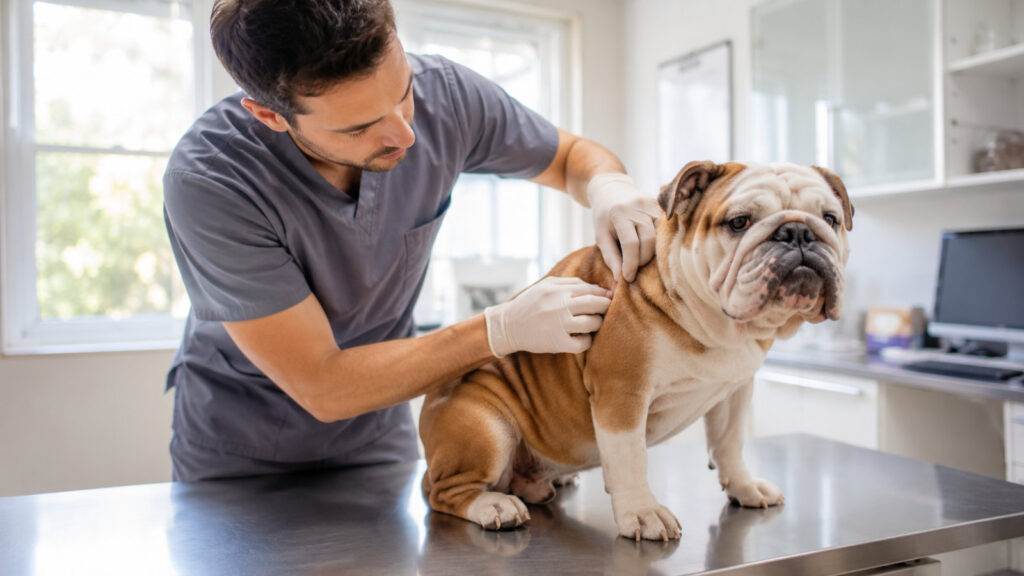
Skin infections are where itchy-dog stories usually escalate: the scratching that was annoying last month now comes with a smell, a greasy feel, pimple-like spots, or patches that keep widening. Here is the essential thing to understand before anything else: in dogs, skin infections are almost always a consequence, not a cause. Bacteria and yeast live on healthy skin without trouble – until something else damages the skin’s defenses and hands them the keys.
Quick answer
Dog skin infections come in two main flavors: bacterial (pyoderma – pimple-like bumps, crusts, expanding circular scabs) and yeast (Malassezia – greasy, musty “corn chip” smell, brownish discoloration, often in folds, ears, and paws). Both itch hard, both are diagnosed in minutes with a microscope at the vet, and both are very treatable – but both come back unless the underlying cause, usually allergy, is managed too.
Yeast or bacteria? The signs compared
| Clue | Bacterial (pyoderma) | Yeast (Malassezia) |
|---|---|---|
| Look | Pimple-like bumps, pustules, crusts, and expanding rings with a scaly edge; patchy hair loss | Red-brown greasy skin, thickened “elephant” texture over time, rusty discoloration of fur |
| Smell | Sour or “off” when severe | The famous musty corn-chip smell |
| Favorite places | Belly, trunk, anywhere skin was scratched open | Skin folds, paws, ears, armpits, groin, under the tail |
| Feel | Crusty, scabby | Greasy, waxy |
| Both | Intense itch, and a strong tendency to recur when only the infection – not the cause – is treated | |
Plenty of dogs have both at once, which is one of several reasons guessing from a photo is a poor strategy. The actual test is fast and cheap: your vet presses a slide or a piece of tape to the skin, stains it, and looks. That one microscope step – cytology – turns guessing into a targeted treatment plan.
Why the infection is never the whole story
Healthy skin is a genuinely good barrier, and the microbes that cause these infections live on it all the time without incident. Infection means the barrier failed – and the list of things that make it fail is short and familiar: allergies above all (environmental, food, or flea), moisture held against the skin (folds, damp undercoats, constant licking), and hormonal or age-related conditions that thin the skin’s defenses. This is why the recurrence rate on “we treated the infection and stopped there” is so dispiriting. The infection was the smoke; the itch guide is about finding the fire. If your dog has had two or more skin infections in a year, the underlying-cause conversation is overdue – usually starting with the allergy workup on the diagnostic ladder.
How vets treat these – and what changed
Treatment has shifted in an important way in the last decade: topical therapy came back to the front line. Medicated bathing with chlorhexidine-based shampoos – on the schedule your veterinarian prescribes, with proper contact time – handles many surface infections on its own, works where the problem actually is, and helps veterinary medicine use fewer antibiotics, which matters because resistant staph infections in dogs are a real and growing problem. Oral antibiotics still have their place for deeper or widespread pyoderma – chosen carefully, used exactly as prescribed, and finished completely even after the skin looks better. Yeast gets antifungal treatment, topical or oral by severity. Expect a recheck: confirming the infection is actually gone prevents the half-treated relapse that reads as “it came right back.”
What you can do at home
Support the treatment, do not improvise it: bathe exactly as often as prescribed with the medicated shampoo your vet chose (contact time matters – lather needs minutes on the skin, not seconds), keep the coat dry after swimming and rain, keep folds clean and dry in fold-blessed breeds, and stop the licking with a cone where needed – saliva plus abrasion is how infections dig deeper. Skip the internet remedies on infected skin; some genuinely make it worse, and our home-remedies guide sorts the safe from the harmful for the milder itch situations.
When infection needs the vet – and when it is urgent
Any suspected skin infection deserves an appointment – these do not resolve with waiting. Make it prompt if the area is spreading quickly, painful, hot, or deeply reddened; if there are open sores or significant oozing; or if your dog is lethargic, feverish, or off food alongside skin trouble. Deep infections can make dogs genuinely ill.
References and further reading
- Merck Veterinary Manual. Atopic dermatitis in dogs (infections as flare factors).
- PetMD. Yeast infections in dogs: ears, skin, and paws.
- dvm360. The multimodal approach to canine atopic dermatitis.
Frequently asked questions
How can I tell if my dog’s skin infection is yeast or bacterial?
Yeast tends to be greasy, musty-smelling, and fold-loving; bacterial infection tends to be crusty and pimple-like with expanding scabby rings. Many dogs have both, and a quick in-clinic cytology tells your vet exactly which – guessing delays the fix.
Why does my dog keep getting skin infections?
Because the underlying cause is still there – usually an allergy damaging the skin barrier, sometimes chronic moisture or another condition. Recurrent infection is a signal to work up the cause, not just refill the treatment.
Do dog skin infections go away on their own?
Not reliably, and the itch-scratch cycle usually makes them spread instead. Established infections need proper treatment – increasingly topical-first, with antibiotics reserved for where they are truly needed.
Can I catch a skin infection from my dog?
The common ones are not considered a meaningful risk for healthy people, though basic hygiene applies. A couple of look-alikes (like ringworm, which is a fungus, or some mites) can affect people – one more reason a proper diagnosis beats a guess.
Educational content, not a substitute for veterinary advice. If your dog seems unwell, contact your veterinarian.
This guide is educational and is not a substitute for veterinary diagnosis or care. If your dog's skin looks infected or painful, talk to your veterinarian.