

Snake Bites in Dogs: The Golden-Hour Playbook (and the First Aid to Unlearn)

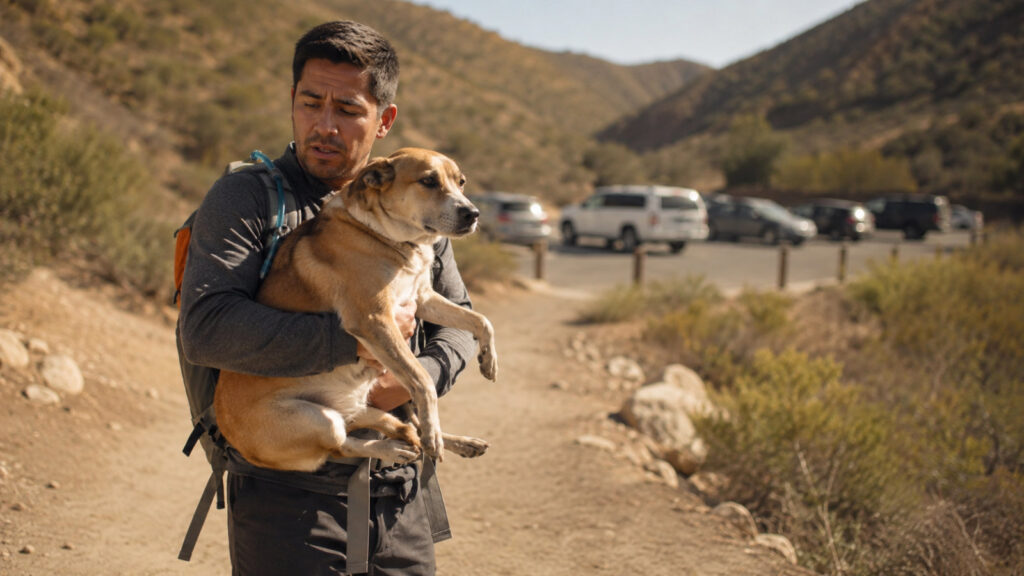
The scene has a terrible clarity: a yelp on the trail, a snake ribboning away, and a dog pawing at a swelling muzzle, because dogs meet snakes nose-first, investigating. What happens in the next hour matters enormously, and almost everything the movies taught about that hour is wrong. The playbook is short: keep the dog calm and still, get to a veterinary ER, and skip every piece of folklore first aid: the cutting, sucking, tourniquets, and ice that make outcomes worse. Here is the whole guide, including the copperhead-versus-rattlesnake reality and the vaccine question every western owner eventually asks.
Quick answer
If a snake bites your dog: stay calm, keep the DOG calm and as still as possible (activity pumps venom through the system, so carry the dog if you can), remove the collar if the bite is near the face or neck (swelling comes fast), and drive to the nearest emergency vet NOW, calling ahead.
Do NOT: apply a tourniquet, cut or suck the wound, apply ice, give any medication, or waste minutes trying to catch or photograph the snake beyond a safe glance.
Signs: sudden yelp, visible punctures (often invisible under fur), rapid painful swelling (muzzle and legs most commonly), drooling, and in serious envenomations weakness, tremors, and collapse. Even “dry bites” and mild-looking copperhead bites get evaluated: swelling, infection, and delayed effects are real, and antivenom decisions are time-sensitive.
The golden hour: what TO do
Calm and still is the treatment you control
Venom spreads with circulation, and circulation follows exertion and panic, so the walking-wounded dog trots venom through himself faster than the carried one. Carry the dog to the car if size allows (a jacket-sling for the mid-sized), walk slowly if not, and keep your own voice boring; dogs borrow their people’s alarm.
Strip the hardware
Collars and harnesses near a face or neck bite become tourniquets as swelling arrives: off, now.
Drive, calling ahead
The nearest EMERGENCY clinic (know it before hiking season; the trailhead is a bad place to start googling), because antivenom, pain control, and monitoring are the actual treatment, antivenom works best early, and not every clinic stocks it, so the call ahead confirms and preps.
Note without hunting
A safe-distance glance at size and pattern helps, and a photo only if it costs zero seconds and zero risk, but treatment decisions are made from the dog’s signs, not the snake’s ID, and second bites to owners are an ER cliche. If the snake is dead: still no handling, because reflex strikes from dead snakes are documented and absurd and real.
The first aid to unlearn (the movie list)
- No tourniquets: concentrating venom in a limb trades a sick dog for a dead limb, and modern medicine abandoned this decades ago.
- No cutting and sucking: removes no meaningful venom, adds tissue damage and infection, delays the drive.
- No ice: venom-compromised tissue plus cold injury = worse local damage.
- No medications, unless the ER or your vet directs it by phone: no aspirin (bleeding risks stack with some venoms), no antihistamines on your own initiative (a phone-directed adjunct at most), nothing from the medicine cabinet, because the ER needs an unmedicated picture unless they chose otherwise.
- No suction devices: the commercial kits test out ineffective, and their real cost is the minutes they consume.
- The one first-aid tool that survives scrutiny: the car key. Everything else is the calm carry and the phone.
The species reality, the vaccine question, and prevention
Copperheads versus rattlesnakes, honestly
Copperheads cause the most US bites (camouflage plus suburban range) and are the least venom-potent pit viper; most copperhead bites are painful, swollen, tissue-local events that do well with prompt care, often without antivenom; they still get evaluated (swelling near airways, infection, and the occasional serious reaction are real). Rattlesnakes are the serious tier: more venom, more systemic effects (the weakness-tremors-collapse picture, clotting effects), antivenom-urgent, and regional heavyweights (Mojave, Eastern diamondback) raise the stakes further. Water moccasins sit between; coral snakes are the rare, different-venom exception (neurological, delayed; any suspected coral bite is an emergency regardless of how fine the dog looks).
The rattlesnake vaccine, neutrally
It exists (aimed at Western diamondback venom), its evidence is genuinely limited (controlled proof of benefit is thin, and vaccinated dogs still need full emergency treatment), and some high-exposure owners and vets use it as a maybe-buys-time hedge: a regional risk conversation with your vet, not a substitute for the playbook above.
Prevention with better evidence
Leashes on trails (the single best tool, since most bites are off-leash investigations), snake-aversion training where professionally available, snake-proofing yards in heavy country (clear brush, seal woodpiles), dawn-dusk caution in season, and staying on open path where feet and paws can see what they step near.
Every suspected bite goes to the ER, and fastest if
The bite is anywhere near the face, muzzle, or neck (airway swelling), the dog shows weakness, tremors, vomiting, pale gums, or collapse, the snake was a rattlesnake or unknown, or your dog is small (venom-to-body-weight math). “He seems okay” is not an exit: dry bites are confirmed by evaluation, not by hope, and copperhead swelling peaks hours after the calm-looking start.
References and further reading
- Merck Veterinary Manual. Venomous snake bites in animals.
- VCA Animal Hospitals. Snakebite envenomization.
Frequently asked questions
How do I know if a snake bit my dog?
The pattern: a sudden yelp on trail or in brush, then rapid painful swelling (muzzle and forelegs most commonly) with drooling and puncture marks often hidden under fur. Fast-arriving swelling after outdoor time in snake country reads as a bite until an ER says otherwise.
Can a dog survive a snake bite without treatment?
Some do, dry bites and mild copperhead envenomations especially, but betting on it is how the preventable deaths happen: you cannot distinguish a dry bite from an early serious one at the trailhead, swelling can close airways, and antivenom is a time-sensitive decision. Every bite gets evaluated.
Should my dog get the rattlesnake vaccine?
It is a legitimate regional conversation with your vet, held honestly: the evidence for benefit is limited, it targets one venom family, and a vaccinated bitten dog still races to the ER exactly as fast. The stronger investments are the leash, aversion training where available, and knowing your nearest antivenom-stocked ER.
What does a copperhead bite do to a dog?
Typically intense local pain and swelling that peaks over hours; it is the least-potent pit viper, and most dogs do well with prompt veterinary care, often without antivenom. It still earns the ER trip: face bites swell near airways, infections follow punctures, and the occasional bite runs serious.
Educational content, not a substitute for veterinary advice. If your dog seems unwell, contact your veterinarian.
This guide is educational and is not a substitute for veterinary diagnosis or care. If your dog's skin looks infected or painful, talk to your veterinarian.