

Heart-Healthy Diet for Dogs


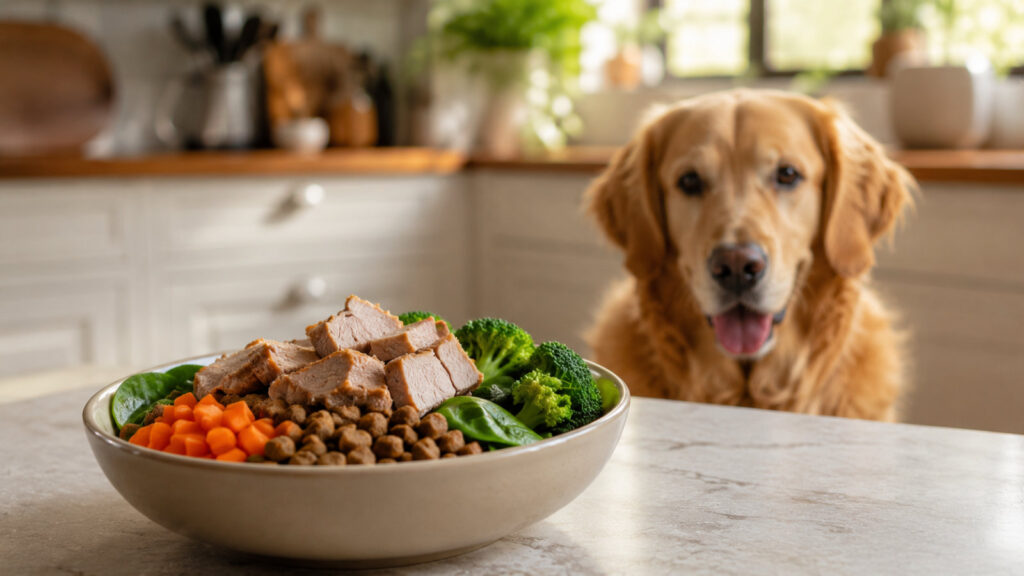
A heart-healthy diet for a dog comes down to a few sensible things: a complete, balanced food, the right amount to keep your dog lean, controlled sodium if your dog has heart disease, and enough good-quality protein for taurine. The basics are straightforward, but the right plan depends on your dog’s diagnosis and stage, so your vet can tailor it. Here is what matters and why.
Quick answer
The safest heart-healthy diet plan is a complete, balanced food that keeps your dog lean and fits your dog’s diagnosis and stage. Sodium control should be guided by your vet, especially when heart disease is more advanced or heart failure is present. Ask your vet before switching diets, home-cooking, restricting protein, or making big changes for a dog with heart disease.
| Favor | Go easy on, especially with heart disease |
|---|---|
| A complete, balanced diet for your dog’s life stage | Boutique, exotic-ingredient, or legume-heavy diets, especially if not backed by feeding trials or veterinary nutrition expertise |
| A lean body weight and portion control | Excess calories and steady weight gain |
| Vet-directed sodium control when heart disease is more advanced or heart failure is present | High-sodium foods such as deli meats, hot dogs, bacon, cheese, chips, and salty table scraps |
| Good-quality protein for taurine | Very low-protein diets, unless your vet advises one |
| Omega-3 sources, with your vet’s guidance | Unproven supplements that promise to “treat” heart disease |
What makes a diet heart-healthy
- Complete and balanced. A quality food that meets established nutrition standards covers the basics, including the amino acids the heart needs.
- The right weight. Extra weight makes the heart work harder, so keeping your dog lean is one of the most helpful things you can do.
- Sodium in check. Once heart disease is more advanced, or once heart failure is present, your vet may recommend sodium control to reduce fluid retention.
- Enough taurine. Good-quality animal protein supplies the building blocks for taurine, which supports normal heart-muscle function.
Why sodium matters
In a healthy dog, normal salt in a complete diet is fine. Once a dog has heart disease, too much sodium encourages the body to retain fluid, which is the last thing a struggling heart needs. The practical steps are simple: skip salty treats and table scraps, avoid salty human foods such as deli meat, cheese, chips, bacon, sausage, and many breads, and ask your vet whether a lower-sodium or prescription cardiac diet is right for your dog’s stage. Do not crash-restrict sodium on your own in early disease, because appetite matters too, and your vet will guide how strict to be.
Taurine and the grain-free question
Taurine supports the heart muscle, and most dogs get enough from a complete diet with quality protein. Certain breeds and certain diets are the exceptions. You have likely also heard concern about grain-free food and heart disease. The current science is careful: the link is still under investigation and has not been proven, and diet formulation and quality appear to matter more than the grain-free label by itself. We cover both in depth in our taurine guide and our enlarged heart and DCM guide. The short version: feed a well-formulated complete diet, and talk to your vet about your dog’s specific food, especially for an at-risk breed.
What to feed a dog with heart disease
For a dog with diagnosed heart disease, your veterinarian may recommend a prescription cardiac diet, which controls sodium while keeping protein and calories where they need to be, or a quality complete diet with sodium kept sensible. Appetite often dips in heart disease, so a food your dog will actually eat matters a great deal. If you want to home-cook, do it only with a recipe from a veterinary nutritionist, because a homemade diet is easy to get wrong in ways that hurt the heart.
Treats and extras
Treats are fine in moderation; just keep them low in sodium and count them toward your dog’s daily calories so the waistline stays trim. Fresh water should always be available. If your dog is on a diuretic, they may drink and urinate more, which is expected.
Supplements alongside the diet
Diet comes first, and the right heart-support nutrients can complement it. Taurine, L-carnitine, coenzyme Q10, and omega-3 fatty acids all support normal heart function. Our CardioChew, formulated with veterinary cardiologist Dr. Matthew Miller, combines several of them in a daily chew to support normal heart and circulatory function. It supports a healthy heart and does not replace a proper diet or your vet’s treatment. See our heart supplements guide for what to look for.
When to see your veterinarian
Talk to your vet before making big diet changes for a dog with heart disease, and ask for a referral to a veterinary nutritionist if you want a tailored or home-cooked plan. Any cough, breathing change, or loss of appetite deserves a prompt visit.
References and further reading
- World Small Animal Veterinary Association (WSAVA). Global nutrition guidelines and toolkit.
- U.S. Food and Drug Administration. Questions and answers: FDA’s work on potential causes of non-hereditary DCM in dogs (fda.gov).
- Merck Veterinary Manual (MSD Manual). Heart disease and heart failure in dogs.
Frequently asked questions
What is the best diet for a dog with heart disease?
A complete, balanced food with sodium kept sensible, often a prescription cardiac diet for diagnosed disease, fed to keep your dog lean. Your vet will match it to your dog’s stage, and a food your dog will eat is key.
Is low-sodium food important for dogs with heart disease?
It matters more as heart disease becomes moderate to advanced, or once heart failure is present, when your vet may recommend sodium control to reduce fluid retention. Skip salty treats and human foods, and ask your vet what level of restriction suits your dog’s stage.
Is grain-free food safe for my dog’s heart?
It has not been proven to cause heart disease, but the question is still open. Feed a well-formulated complete diet and discuss your dog’s specific food with your vet, especially for an at-risk breed.
Can I cook for my dog with heart disease at home?
Only with a recipe from a veterinary nutritionist. Homemade diets are easy to unbalance in ways that can harm the heart.
What foods should dogs with heart disease avoid?
High-sodium treats and human foods like deli meat, cheese, chips, and bread, plus table scraps. Keep treats low in sodium and modest in calories.
How do I choose a good heart-healthy dog food?
Look for a complete and balanced food from a company that does real nutrition work: employs a qualified nutritionist, runs feeding trials or strong testing, and will share details. The WSAVA guidelines list good questions to ask a brand.
What is cardiac cachexia, and why does it matter?
Cardiac cachexia is muscle loss that can happen with heart disease, even in a dog at an ideal weight. If your dog is losing muscle, do not chase weight loss. Tell your vet, because the diet needs to protect muscle.
How do I pick treats for a dog with heart disease?
Choose low-sodium treats, keep them to a small share of daily calories, and skip salty human foods. Your vet or a veterinary nutritionist can suggest options.
This guide is educational and is not a substitute for veterinary care. CardioChew supports normal heart function and is not intended to diagnose, treat, cure, or prevent any disease.
This guide is educational and is not a substitute for veterinary diagnosis or care. If your dog has signs of heart trouble, talk to your veterinarian.