

By Dr. Terry Fossum, DVM, MS, PhD, DACVS
Author of Small Animal Surgery
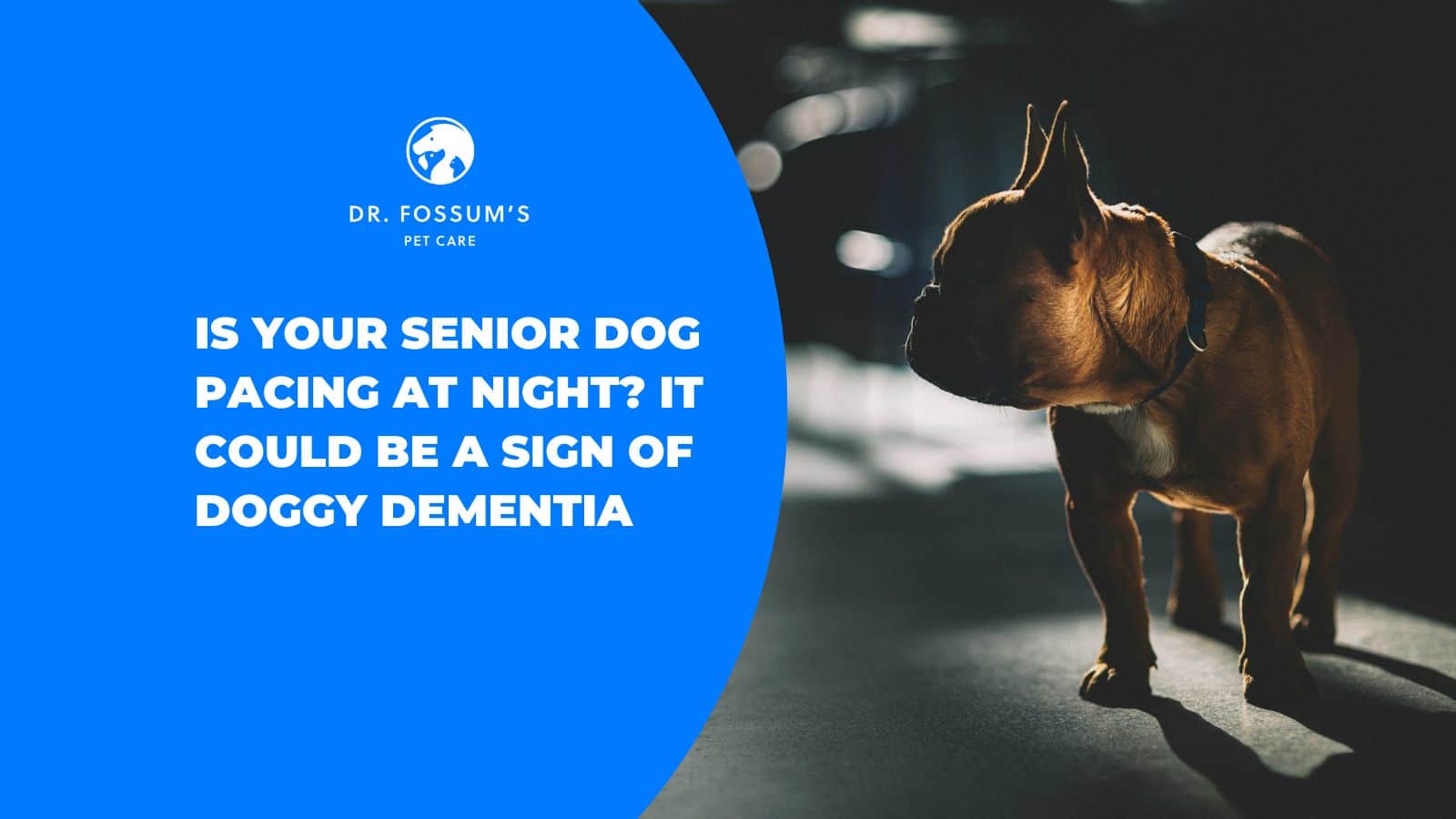
As dogs age, it’s not uncommon for their behavior to change. But when your once well-adjusted companion begins pacing aimlessly at night, vocalizing for no apparent reason, or appearing anxious in familiar settings, it may be more than just “getting older.” These signs can point to a medical condition known as Canine Cognitive Dysfunction (CCD), often referred to as doggy dementia.
Just as humans can suffer from Alzheimer’s disease, older dogs can experience a progressive decline in cognitive function that affects memory, behavior, learning, and perception. One of the earliest and most disruptive signs of CCD is nighttime restlessness.
Understanding Canine Cognitive Dysfunction
Canine Cognitive Dysfunction is a neurodegenerative condition that affects a significant percentage of senior dogs, especially those over 10 years old. It results from age-related changes in the brain, including the buildup of amyloid plaques, oxidative stress, and reduced neurotransmitter activity. These changes impair normal nerve signal conduction and can disrupt your dog’s daily rhythms, awareness, and interactions.
Among the most common signs:
- Disorientation (getting “lost” in familiar areas)
- Increased anxiety
- Altered sleep-wake cycles
- Loss of house training
- Decreased social interaction
- Night pacing and vocalization
Why Is My Dog Pacing at Night?
Nighttime pacing can be particularly troubling for both pets and their owners. It often stems from a combination of factors related to cognitive decline:
- Disorientation: Your dog may become confused in the dark or unfamiliar with surroundings that were once second nature.
- Reversed sleep cycles: CCD can interfere with the body’s circadian rhythms, causing your dog to sleep more during the day and become active or agitated at night.
- Increased anxiety: As brain function declines, dogs may become more reactive to minor stimuli or more dependent on their caregivers.
- Inability to settle: Impaired memory and judgment can make it difficult for your dog to relax, leading to aimless movement.
What You Can Do: A Veterinary Perspective
If you notice these signs, it’s important to speak with your veterinarian. While there is no definitive cure for CCD, early intervention can slow progression and dramatically improve quality of life.
As a veterinary surgeon, I always emphasize a multi-faceted approach to managing canine cognitive decline.
- Routine and Environmental Stability
- Keep furniture and feeding areas in the same place.
- Maintain a predictable daily routine to reduce confusion.
- Use nightlights to improve navigation during dark hours.
- Mental Stimulation
- Puzzle toys, scent work, and light training can help stimulate the brain.
- Regular low-impact walks can reduce anxiety and encourage restful sleep.
- Nutritional and Supplement Support
- Omega-3 fatty acids, antioxidants, and certain botanical compounds have been shown to support healthy brain aging.
Track Symptoms Over Time with Our Free CCD Survey
Monitoring your dog’s cognitive function over time is just as important as identifying the initial signs. To help, we’ve created a free online survey that you can use to track symptoms and assess your dog’s progress every few months.
You can take the survey quarterly to see if your dog is improving, staying stable, or showing signs of decline. It only takes a few minutes and can provide valuable insight to share with your veterinarian.

Supporting Brain Function with CogniCaps™
One option I often recommend is CogniCaps™, a natural supplement designed to support normal cognitive function in aging dogs. It contains ingredients that help maintain healthy neurotransmitter activity and nerve conduction. This provides gentle, ongoing support for the aging brain.
While no supplement is a silver bullet, products like CogniCaps can be an important part of a broader cognitive care plan. They are especially effective when introduced at the earliest signs of decline.
Final Thoughts
Pacing at night may seem like a behavioral issue, but it can often be a subtle cry for help from a brain that is struggling to function normally. As pet owners, recognizing the signs of canine cognitive dysfunction and seeking early veterinary guidance is the best thing we can do to help our dogs age gracefully and comfortably.
With the right care, attention, and support, including symptom tracking and nutritional interventions like CogniCaps, senior dogs with CCD can continue to lead happy, loving lives.

CogniCaps – Canine Cognitive Function Supplement
Price range: $49.99 through $109.99 — or subscribe to save 15% Select options This product has multiple variants. The options may be chosen on the product page
